Downloadable Resource
Blog
Webinar Recording
Success Story
Article
Technical Article
Video Insight
Trade Show
Webinar
Tutorial
Video Demo

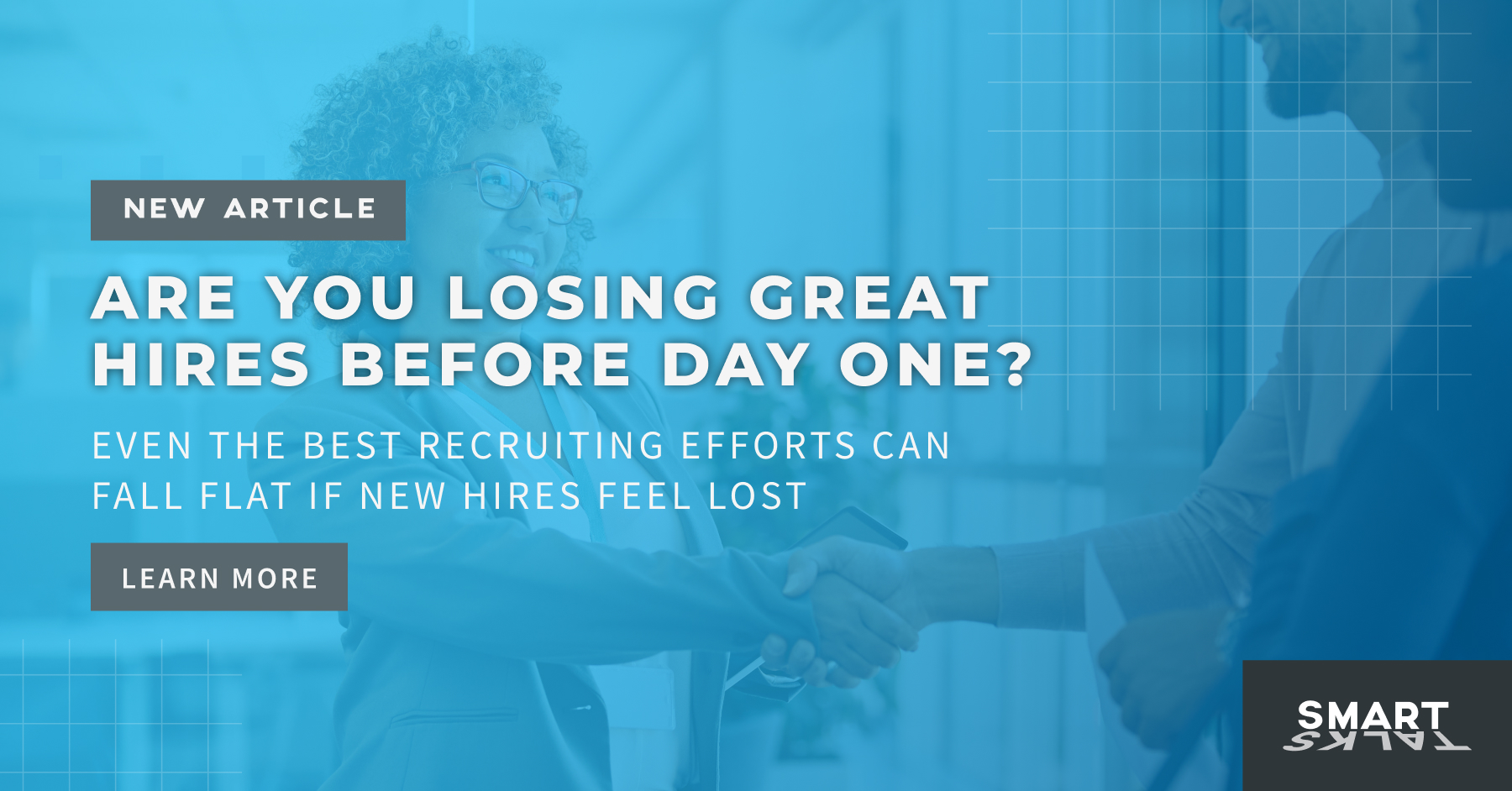
Are You Losing Great Hires Before Day One?
Join us on
February 11, 2026
Download Now
The best recruiting process can unravel in the days between acceptance and arrival. A new hire signs the offer letter, celebrates the news, then hears nothing for weeks. When they finally show up on day one, paperwork is missing, their manager is unprepared, and nobody seems to know what happens next.
This is not uncommon. It is costly.
Event Details
Price:
$
USD
Location:
Virtual
Address:
The Hidden Cost of a Poor Onboarding Experience
Research consistently shows that onboarding directly influences retention and productivity. According to the Society for Human Resource Management (SHRM), organizations with a strong onboarding process improve new hire retention by 82% and productivity by over 70%. Conversely, poor onboarding drives early turnover—often within the first 90 days.
The financial impact is significant. Replacing an employee can cost 50% to 200% of their annual salary, depending on the role. When turnover happens early, the organization absorbs recruiting costs, lost productivity, and the intangible damage to employer brand.
Beyond the numbers, there is a reputational risk. New hires talk. A chaotic onboarding experience becomes a story shared with peers, former colleagues, and online networks. What was supposed to be a talent win becomes a public relations problem.
What Goes Wrong Before Day One
The period between offer acceptance and the first day is often treated as a holding pattern. HR assumes the hard work is done. The new hire waits. This gap creates anxiety and doubt.
Common missteps include:
- Silence after the offer: Once the contract is signed, communication stops. New hires are left wondering if they made the right decision.
- Last-minute paperwork: Forms arrive hours before the start date, or worse, on the first day. This turns excitement into frustration.
- Unclear expectations: New hires do not know what to bring, where to go, or who to ask. The first day becomes a scavenger hunt.
- No technology access: Email accounts, software logins, and system access are not ready. Productive work is delayed by days or weeks.
- Unprepared managers: Supervisors are not briefed on the new hire's role, background, or first-week plan. The employee feels like an afterthought.
Each of these failures is avoidable. They stem from fragmented processes and a lack of accountability. HR handles one piece, IT handles another, and the manager handles a third. Nothing is coordinated. Nothing is automated.
The Case for Structured, Automated Onboarding
Onboarding is not a single event. It is a sequence of tasks, communications, and interactions that must happen in the right order at the right time. Manual processes cannot scale. Spreadsheets and email threads create gaps.
Structured onboarding systems automate the administrative work while preserving the human connection. Digital checklists ensure nothing is missed. Automated workflows trigger tasks based on the hire date. Notifications keep everyone accountable.
This approach delivers several advantages:
- Consistency: Every new hire receives the same high-quality experience, regardless of department or location.
- Efficiency: HR teams spend less time chasing paperwork and more time engaging with new employees.
- Visibility: Managers and leadership can see onboarding progress in real time, identifying bottlenecks before they cause problems.
- Compliance: Required forms, training, and acknowledgments are tracked and stored automatically.
Automation does not eliminate the personal touch. It enables it. When administrative tasks are handled systematically, HR and managers have time to focus on connection, culture, and engagement.
Making a Strong First Impression
The first day sets the tone. New hires form lasting opinions about the organization based on how they are treated in the first hours and days. A well-designed onboarding experience communicates respect, competence, and investment in their success.
Effective onboarding starts before day one. Pre-boarding communication keeps new hires engaged and informed. Welcome emails introduce the team. Digital packets provide logistical details. Access to the employee handbook and training materials allows new hires to arrive prepared.
On day one, the experience should be seamless. Technology works. Workspaces are ready. Managers are briefed. The new hire knows what to expect and who to contact. Instead of navigating confusion, they focus on learning, connecting, and contributing.
How Scissortail HCM Supports Seamless Onboarding
Scissortail HCM is designed to eliminate the friction in onboarding. The platform centralizes tasks, automates workflows, and provides visibility across the process.
Key features include:
- Digital onboarding checklists: Automated task lists guide HR, managers, and new hires through every step, from offer acceptance to the first performance review.
- Electronic document management: Forms, contracts, and compliance documents are completed and stored digitally, reducing paperwork and manual follow-up.
- Pre-boarding communication: Automated emails and notifications keep new hires informed and engaged before their start date.
- Role-based workflows: Different roles trigger different onboarding sequences, ensuring relevant training and resources are delivered automatically.
- Real-time tracking: Dashboards provide visibility into onboarding progress, allowing HR and leadership to identify delays and intervene when necessary.
These capabilities reduce administrative burden while improving the new hire experience. Tasks that once required hours of manual coordination now happen automatically. HR teams can focus on relationship-building instead of paperwork.
Building a Foundation for Long-Term Success
Onboarding is not just about the first day or the first week. It is the foundation for long-term performance and retention. Employees who experience structured, supportive onboarding are more likely to stay, perform well, and become advocates for the organization.
Organizations that invest in onboarding see measurable results. Higher retention rates reduce turnover costs. Faster time-to-productivity accelerates ROI on new hires. Stronger engagement drives better performance and collaboration.
The investment is modest compared to the cost of getting it wrong. A bad onboarding experience can undo months of recruiting effort and damage the employer brand. A great onboarding experience turns new hires into engaged, productive team members who contribute from day one.
Next Steps
Organizations serious about retention and engagement must prioritize onboarding. This means moving beyond manual processes and fragmented workflows. It requires a system that automates the administrative work while preserving the personal connection.
Scissortail HCM provides that system. The platform is built to support seamless, efficient onboarding from offer to day one and beyond.
Join the upcoming SmartTalks session to see how Scissortail helps organizations deliver seamless, high-impact onboarding from day one. Learn how to automate busywork, improve communication, and create an onboarding experience that reflects the organization's culture and values.
Register for SmartTalks to discover how Scissortail can transform onboarding and set new hires up for success.
Enhance First-Day Success with Scissortail HCM Onboarding